

THE PAST
For a hundred years or more, hotel restaurants were the home of leading culinary practice. The world’s most celebrated chefs were found in places like the Dorchester, the Ritz, the Savoy and the Waldorf. Chefs undertook extensive apprenticeships, followed by years of specialisation. The Michelin Guide and the Zagat Guide were the traveller’s Bibles, written by culinary experts.
When I started my career, if you wanted to be at the forefront of culinary excellence, you sought out jobs at the Hilton, the Regent or the Sheraton. People then went out to hotels to eat, to celebrate and to do serious business, as they often still do in Asia.
WHY IT MATTERS FOR OWNERS AND INVESTORS
A guest who leaves feeling genuinely changed is not a transaction; you’ve just created a relationship. They return, they advocate, and they stop price comparing. Experiential hospitality creates elastic pricing, stronger repeat visitation, and more durable competitive advantage.
This has direct implications for asset strategy:
- Operator selection: assessing cultural readiness for genuine guest interaction.
- Feasibility and positioning: ensuring the intended experience is deliverable within commercial constraints.
- Asset management: aligning actual delivery with intended positioning.
These don’t replace fundamentals; they redefine where value is created.
THE INVESTMENT CASE
Service excellence satisfies a need. Experiential hospitality satisfies a deeper one, that is the need for a stay to matter. A 24 room property that embeds a genuine experiential philosophy will outperform a 300 room hotel relying on amenities alone.
The marketplace advantage is durable because it is hardest to copy. Culture, permission, and human connection cannot be replicated by capital expenditure.
THE FUTURE
The fact is that hotel guests will take a great food and beverage offering any time it is available. Hotel chains like Kimpton, Auberge, Beckons, Ennismore and others are delivering outstanding and contemporary cuisine; not fine dining but leading contemporary cuisine.
Hotel owners are demanding that prime space in prime locations delivers a prime return. Guests are once again demanding a full hospitality experience not just a bed and a shower. And hotels are exploring new models for creating exceptional restaurants and bars, all the while paying their staff well and maintaining proper workplace health and safety standards, without going out of business.
Not surprisingly the journalists and influencers are missing in action when it comes to covering these new hotel dining rooms.
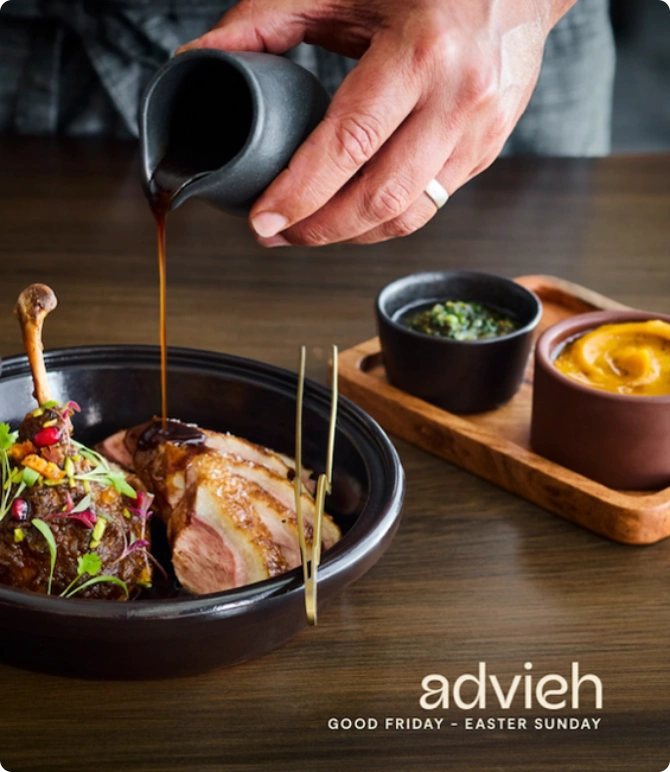
A great example is Hotel Advisors Global client, the InterContinental Hotel in Auckland. Advieh restaurant is a unique partnership between the hotel owner, IHG and the partner chef, ex-My Kitchen Rules host and judge, Gareth Stewart. While guests, rather than influencers, have been delighting in Advieh’s outstanding food and beverage offering now for 18 months, it took the recent launch of the Michelin guide system in New Zealand (kudos to the New Zealand government on that one) for Advieh to get the recognition it well earned.
As rates continue to rise, guest expectations of a complete hospitality experience will continue to grow. Hotel owners, operators, and managers will increasingly come up with more creative ways to restore hotels to their former glory as bastions of outstanding culinary experiences, irrespective of the wailings of the self-proclaimed journalist and influencer ‘experts’. The fact is that hotels have the real estate. There is absolutely no excuse to not use it wisely and well and to deliver outstanding dining experiences for an increasingly discriminating consumer.